8 Free Lean Games, Simulations & Six Sigma Activities
Reading about process improvement builds knowledge. Participating in a simulation builds capability.
These eight free Lean games, simulations, and Six Sigma activities give trainers, coaches, and facilitators hands-on ways to make process improvement concepts stick. Whether you're kicking off a belt certification cohort, leading a kaizen event, or planning a Lean workshop, you'll find activities for teaching flow, variation, standard work, experimentation, and more. Each one includes the information you need to choose the right exercise for your audience.


Marshmallow Spaghetti Tower
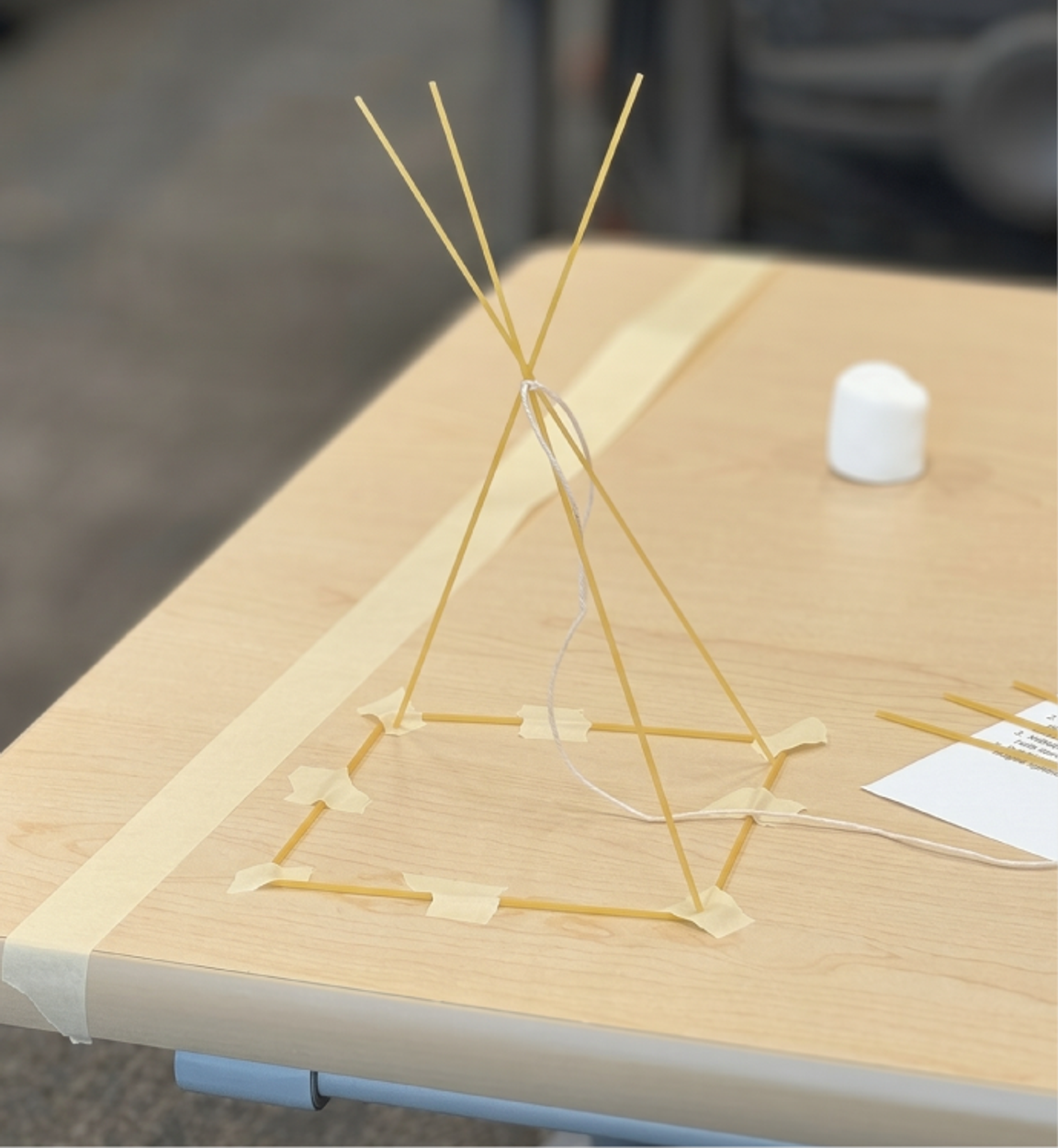
The Marshmallow Spaghetti Tower, also known as the Spaghetti Tower Challenge or the Marshmallow Challenge, is a team-building exercise that turns structural engineering into a lesson in rapid experimentation, iterative design, and collaborative problem solving. Teams have 18 minutes to build the tallest free-standing spaghetti tower they can using 20 pieces of dry pasta, tape, string, and one marshmallow.
The key insight is that teams that prototype and test early almost always outperform teams that plan extensively and build once. It is a powerful metaphor for Lean thinking, agile methodology, and PDCA, and works just as well in a warehouse as in a boardroom.
The same test-and-learn approach can be applied to more complex processes. Hold Please is a MoreSteam process design simulation where teams redesign and test a call-center process using iterative design, virtual prototyping, and process modeling.
Concepts Covered:
- Rapid Prototyping
- Iterative Design
- Early Testing vs. Late Discovery
- Team Collaboration
- Piloting Solutions
- Fail-Fast Thinking
- Best For:
- Any audience; excellent as an icebreaker before Lean or design thinking workshops
- Run Time:
- 45 min
- Participants:
- Teams of 3–5
Catapult Challenge
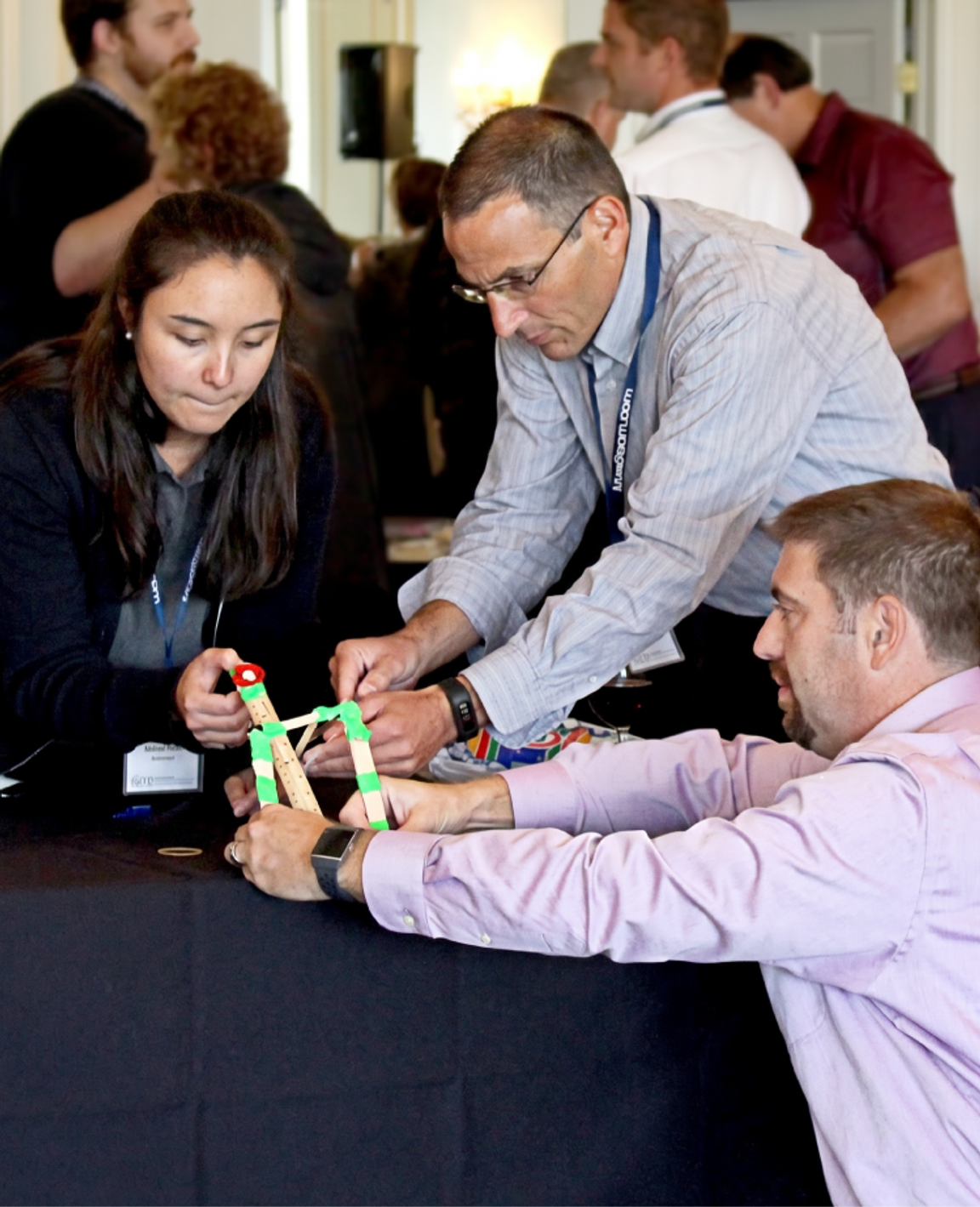
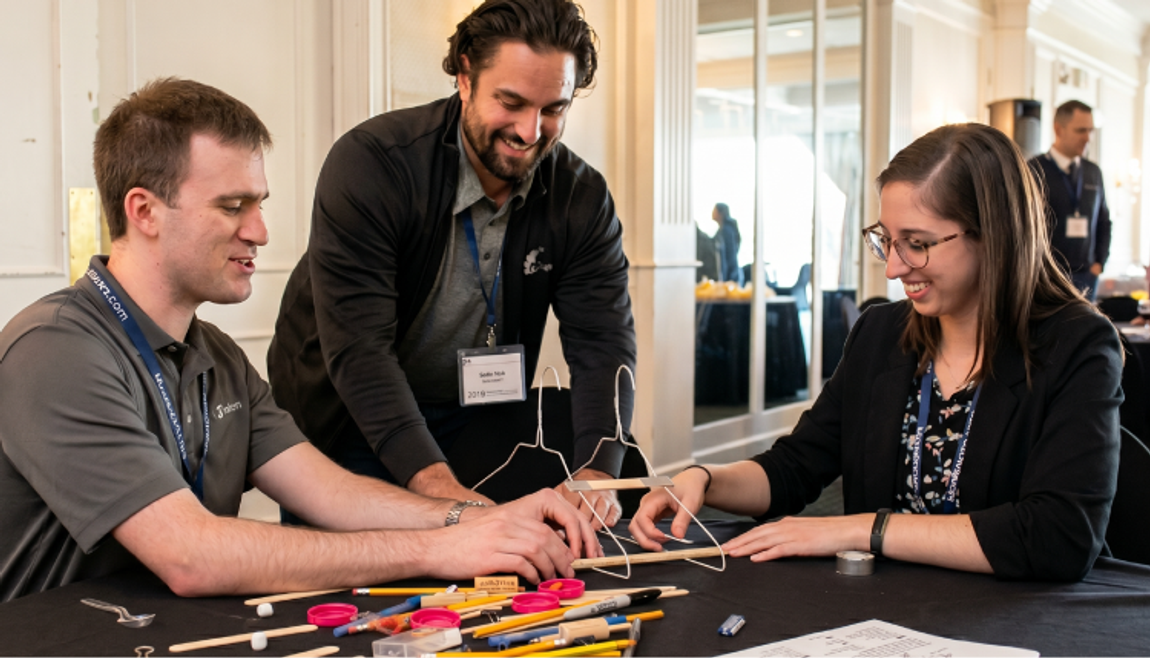
The Catapult Challenge is a hands-on lean workshop activity that brings the fundamentals of Design-Optimize-Verify to life through competition. Teams of three design and build a catapult from everyday office and craft supplies, then test their designs against a customer requirement: land a mini marshmallow inside a target bucket or hula hoop. The team that meets the requirement at the lowest cost wins, introducing the concept of ROI alongside process design.
This catapult experiment is particularly effective because participants do not just learn about Design of Experiments, they run one. Teams adjust variables like launch angle, tension, and projectile type. They collect real data, and draw their own conclusions about what drives performance. Teams consistently discover that iterating quickly on evidence outperforms spending all their time planning.
Green and Black Belt learners can take these skills further with Drury Lane, a complete DMAIC project simulation that uses real production data to investigate variation, test solutions, and improve process performance.
Concepts Covered:
- Design of Experiments (DOE)
- Iterative Design
- Piloting Solutions
- Customer Requirements
- Variation Reduction
- Design-Optimize-Verify
- Best For:
- Green Belt and Black Belt audiences; Design Thinking workshops
- Run Time:
- 60–90 min
- Participants:
- Teams of 3
LEGO Simulation
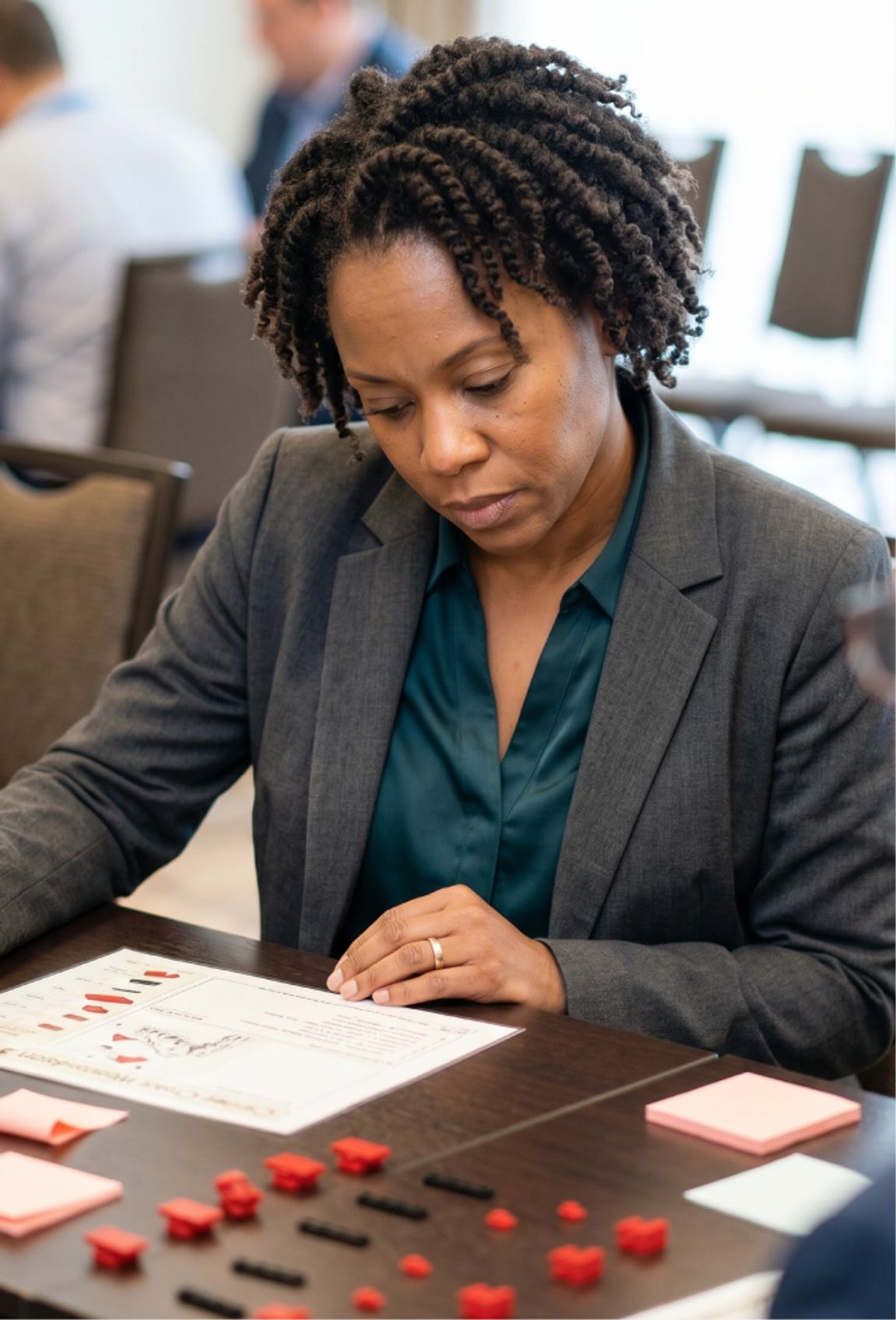
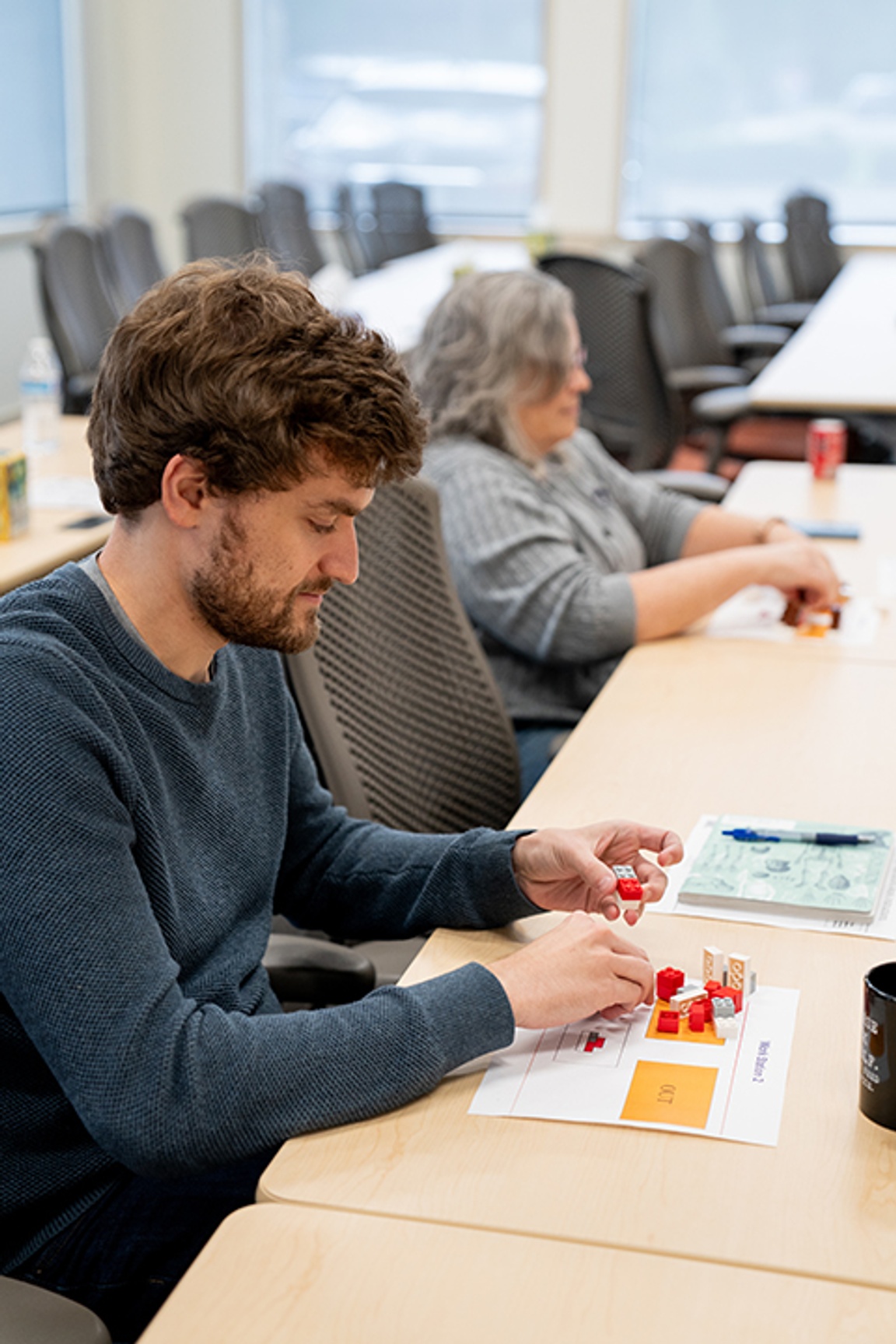
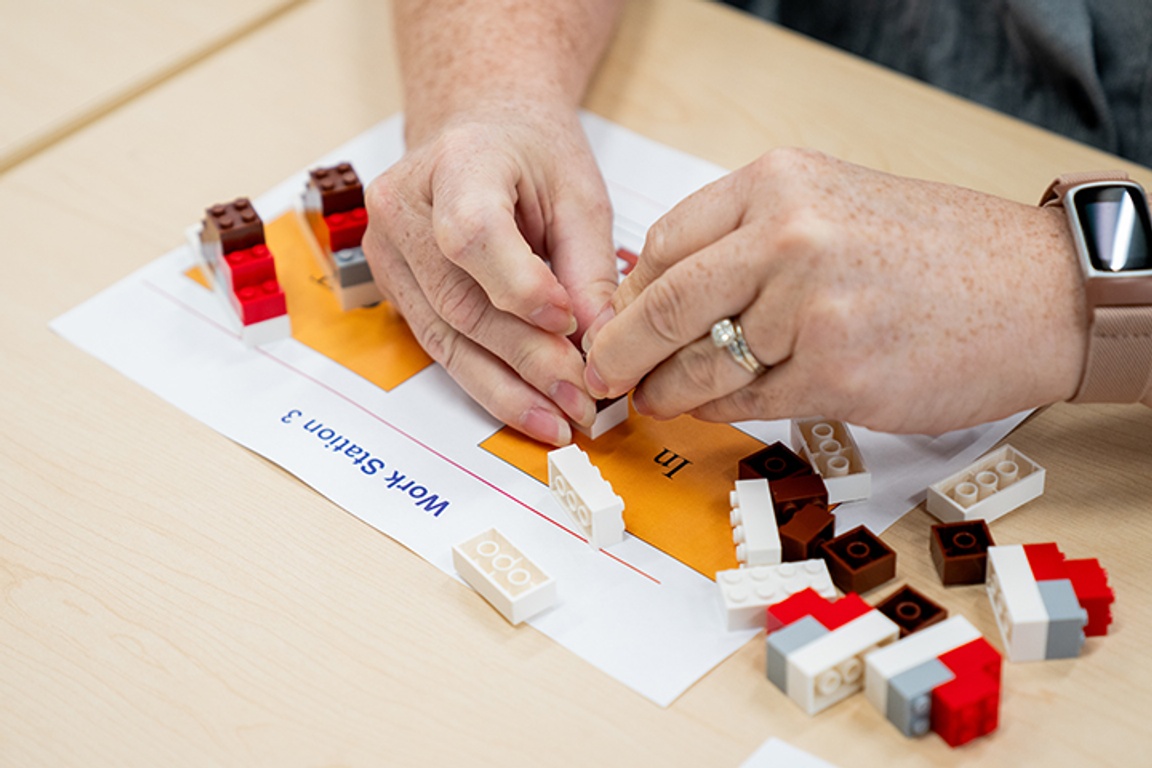
The LEGO Simulation is one of the most widely used lean manufacturing simulation exercises available, and for good reason. Teams assemble LEGO structures across multiple production rounds, experiencing firsthand how batch processing, poor flow, and unclear work instructions create waste, delay, and frustration. As the lean LEGO simulation progresses, the team redesigns the process using pull systems, kanban signals, and one-piece flow, watching throughput improve in real time.
This Lean LEGO game works because familiar, physical materials make abstract concepts tangible. Participants see waste pile up on the table in real time, watch bottlenecks form, and feel the difference between a push system and a pull system before the debrief even begins. No prior Lean knowledge required.
Concepts Covered:
- 8 Wastes
- Batch vs. One-Piece Flow
- Push vs. Pull Systems
- Kanban
- Work-In-Process (WIP)
- Kaizen
- Systems Thinking
- Best For:
- White Belt and Yellow Belt audiences; Lean introductions for cross-functional teams
- Run Time:
- 90 min (short version), or 3 hours (full version)
- Participants:
- 8–24 participants, divided into four teams
Gridlock: The Digital Evolution of the LEGO Simulation
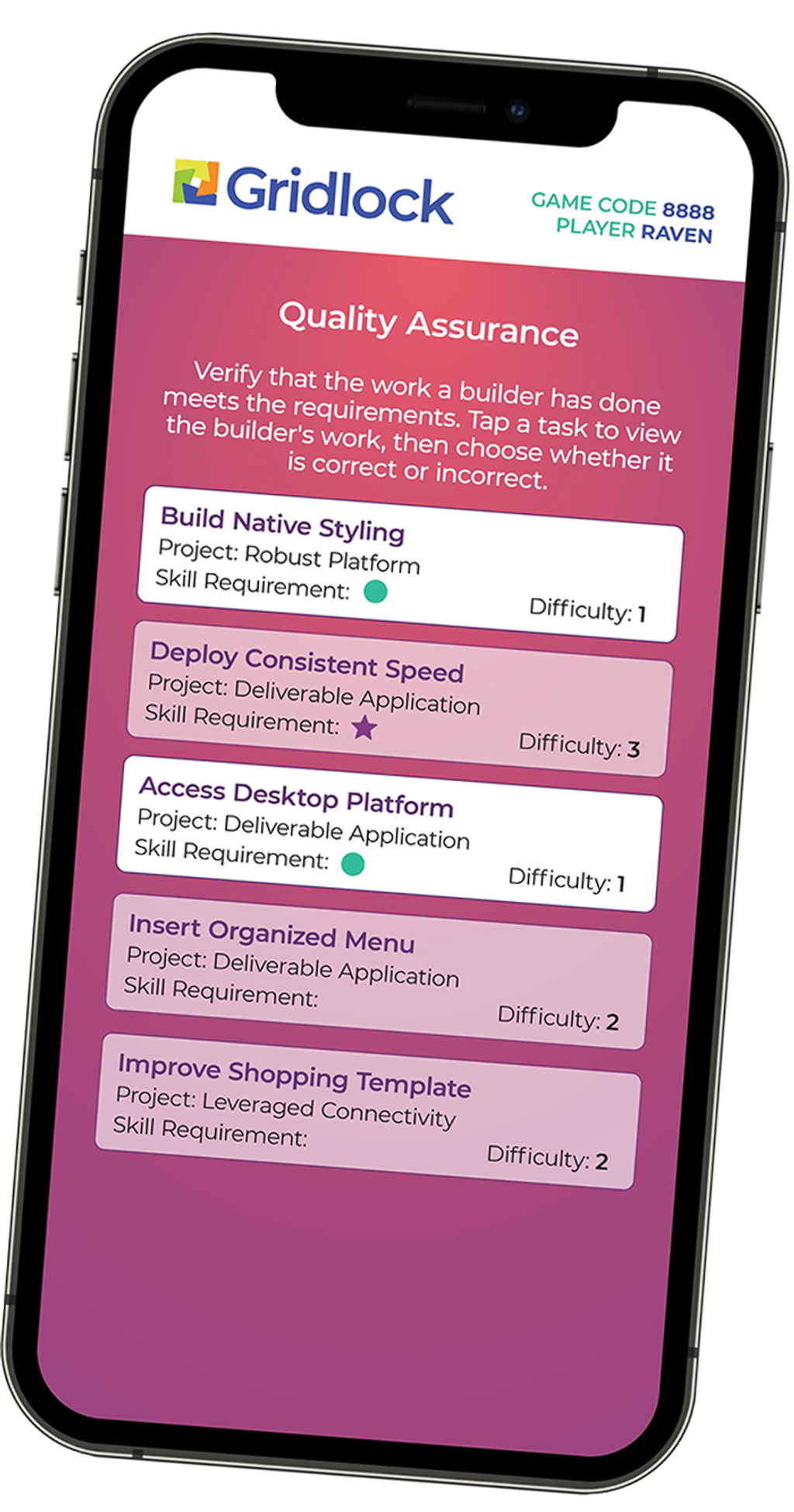
Building a Lean culture means reaching every team. Gridlock takes the hands-on learning of the LEGO simulation online — a fast-paced digital game built for in-person, remote, or hybrid teams, wherever they work. Learn about Gridlock

Kanban Pizza Game
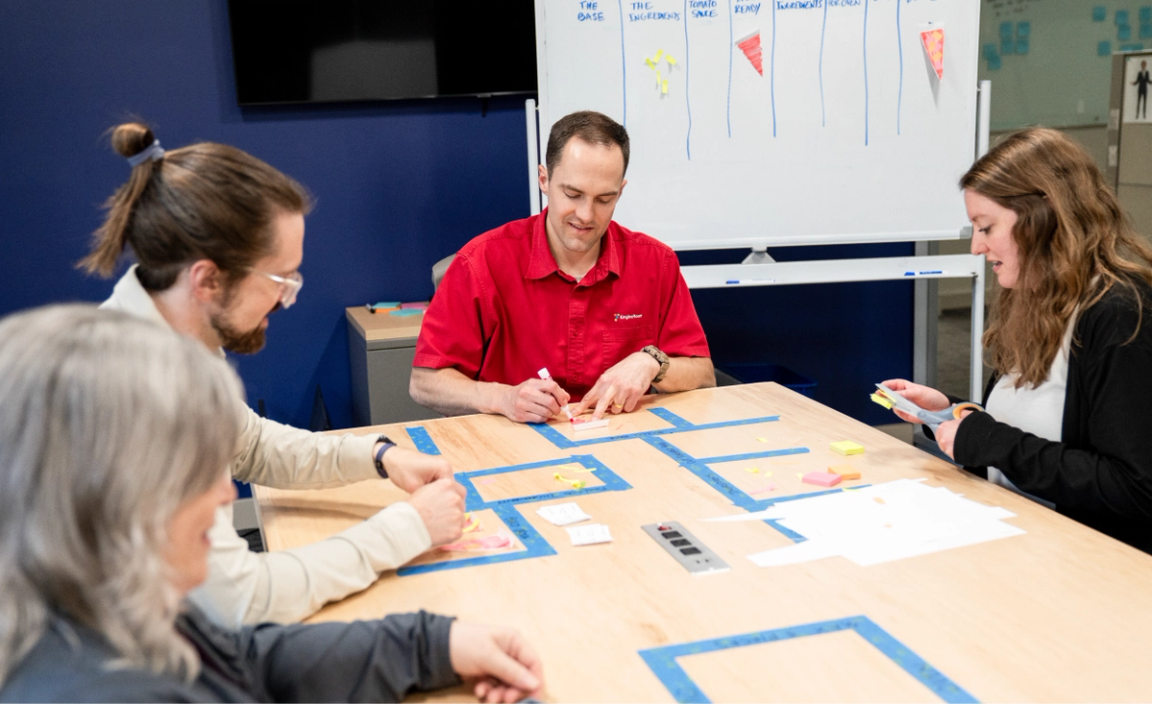
The Kanban Game transforms a simulated pizza kitchen into a hands-on lesson in pull systems, WIP limits, and visual management. Teams receive customer orders and produce paper pizzas through multiple rounds, each with different operating rules. As the game evolves, teams implement kanban signals, limit work-in-process, and shift from a reactive push system to a demand-driven pull system, experiencing firsthand how these changes improve speed, quality, and predictability.
The kanban pizza game is popular because the rules translate directly to real operations. Whether the flow units are pizzas, parts, or patient records, the same WIP constraints and pull dynamics apply. The simulation is accessible enough for beginners but rich enough to support deeper conversations about flow, Little's Law, and system-level thinking.
Concepts Covered:
- Kanban Fundamentals
- Pull Systems
- WIP Limits
- Visual Management
- Flow Optimization
- Little's Law
- Demand-Driven Production
- Best For:
- Any audience; particularly effective for teams new to Kanban or agile methodologies
- Run Time:
- 60–90 min
- Participants:
- Teams of 4–8
Lean Paper Airplane Game
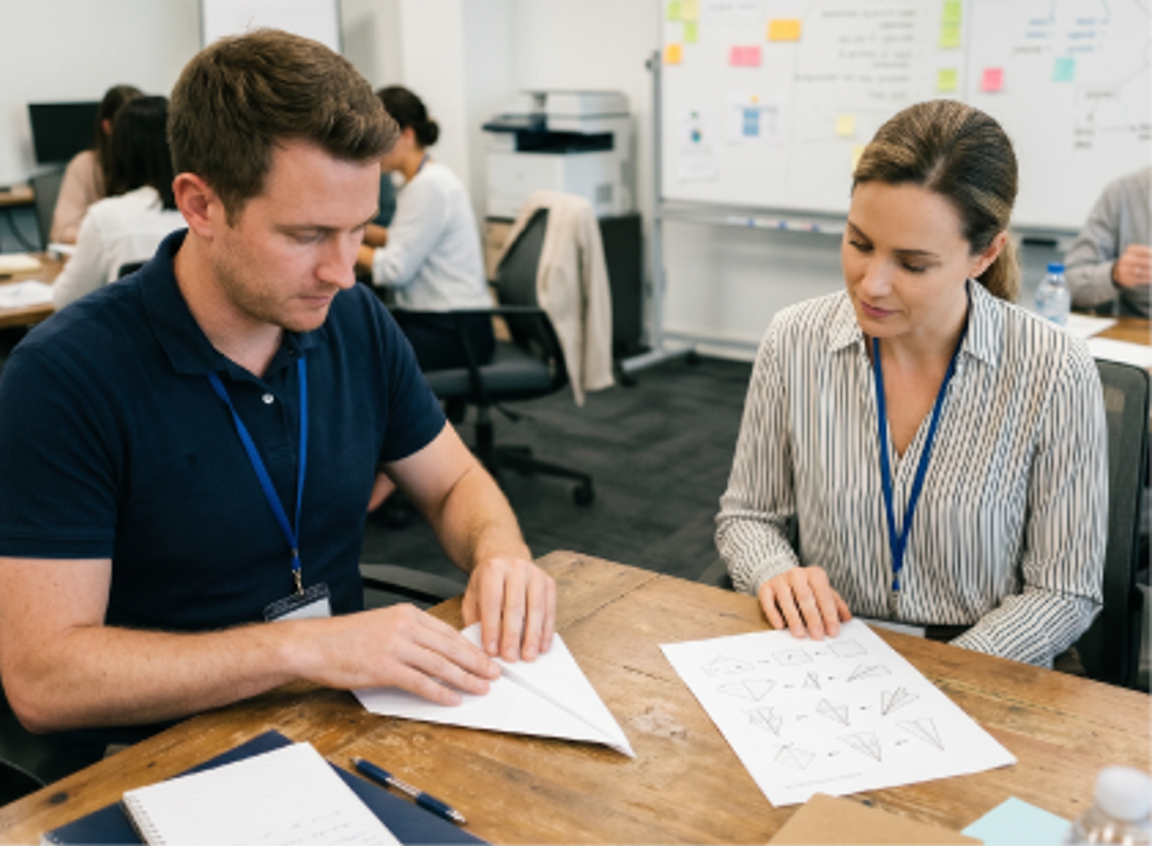
The Lean Paper Airplane Game is a fast, low-cost Lean manufacturing simulation that puts batch production and one-piece flow head to head. Participants build paper airplanes under two operating conditions: first using traditional batch production, then using a pull-based, one-piece-flow system. After each round, they compare work-in-process, lead time, deliveries, productivity, and quality. The numbers tell the story: flow wins.
This paper airplane simulation is ideal for introducing Just-in-Time (JIT) principles because the mechanics are easy to grasp and the results are immediate. It works well in classrooms and other in-person workshops using paper, sticky notes, timers, and a few basic facilitation supplies.
Concepts Covered:
- Batch Production vs. One-Piece Flow
- Push vs. Pull Production
- Work-in-Process (WIP)
- Lead Time and Throughput
- Just-in-Time (JIT)
- Kanban
- Quality and Defect Detection
- Takt Time and Work Balancing (Advanced)

- Best For:
- Yellow Belt and Green Belt audiences; introductory Lean workshops
- Run Time:
- 45–60 min
- Participants:
- 7–9 active roles, plus observers

Production Dice Game Simulation
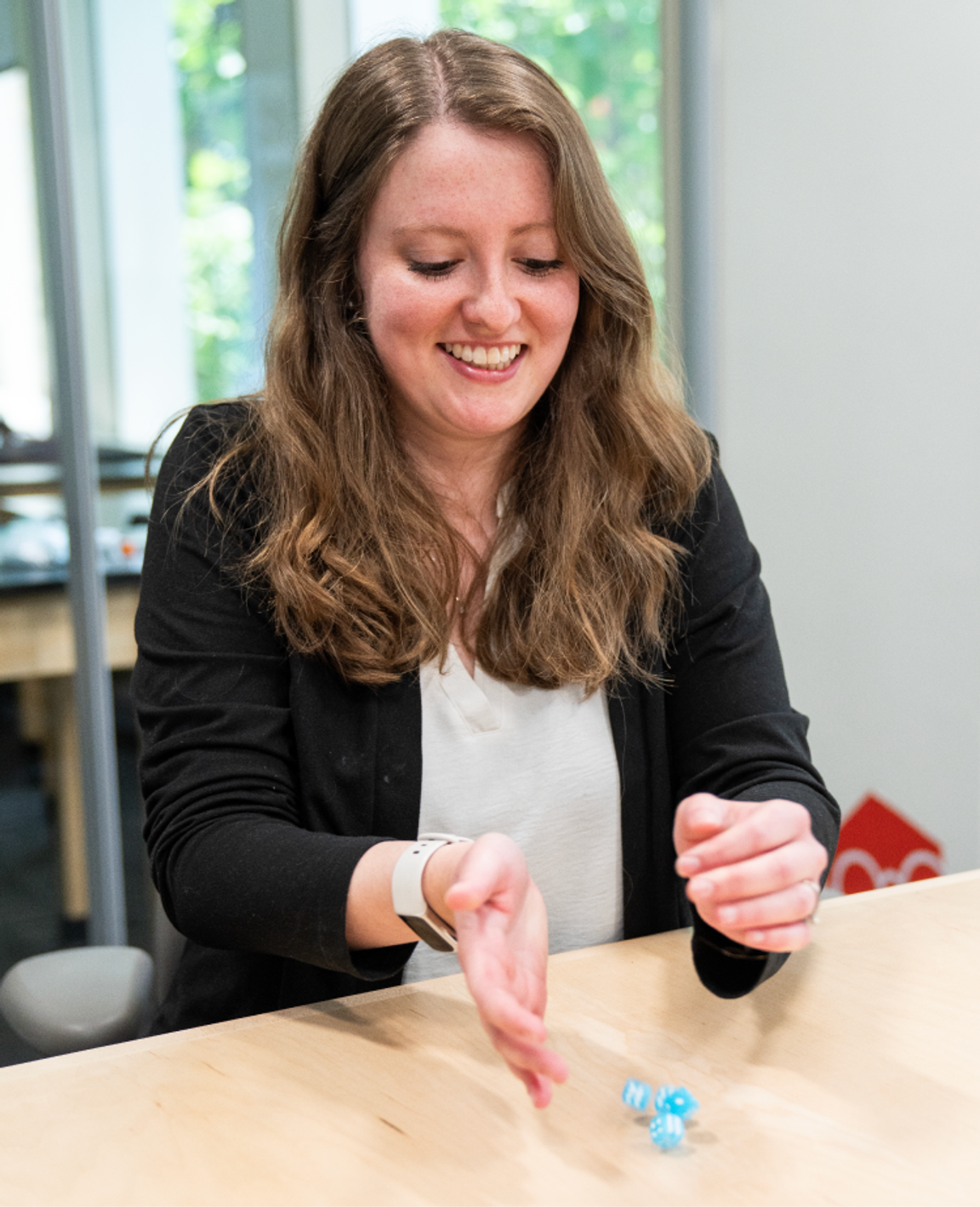
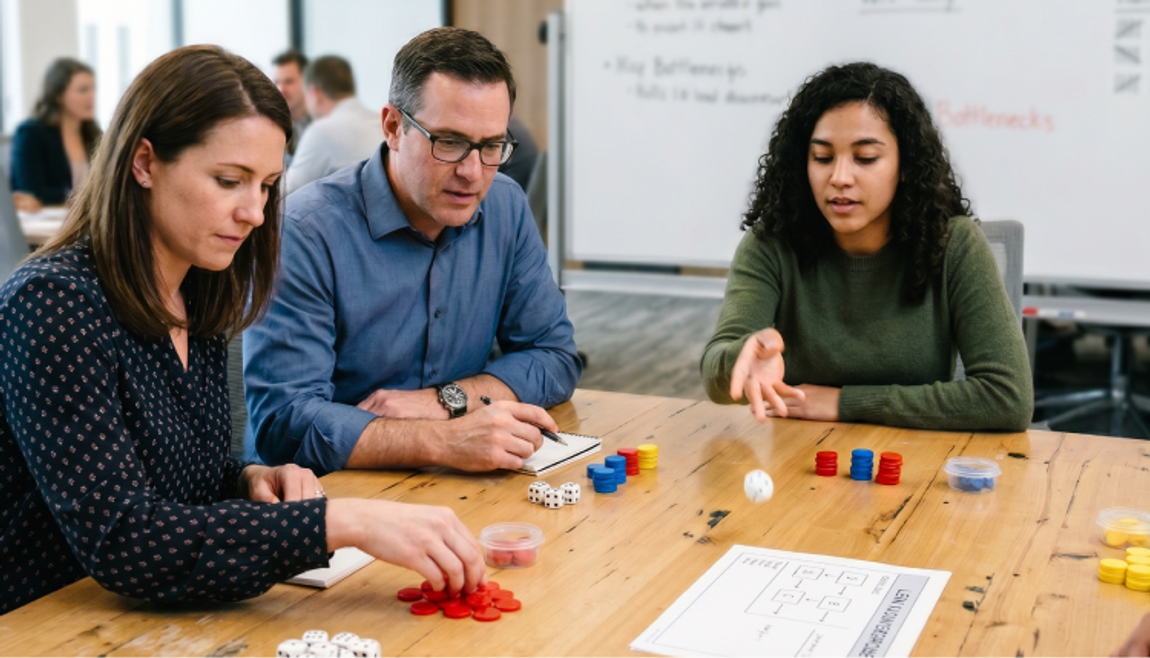
The Production Dice Game is a classic lean six sigma simulation for teaching how variability destroys throughput, even in a perfectly balanced system. Participants roll dice to simulate production at each workstation, then track how WIP accumulates, bottlenecks form, and throughput falls short of what the math predicted. The physical reality of the lean dice game makes the impact of variability visceral in a way that spreadsheets cannot.
Originally developed in operations research and widely used in Lean and Six Sigma workshops, this dice game simulation is equally applicable in manufacturing, healthcare, and supply chain contexts.
Concepts Covered:
- Process Variability
- Throughput
- Work-In-Process (WIP)
- Bottlenecks
- Theory of Constraints (TOC)
- Buffer Management
- Dependent Process Steps
- Best For:
- Green Belt and Black Belt audiences; operations, supply-chain, and healthcare teams
- Run Time:
- 30–45 min
- Participants:
- 5–15 per game
Standard Pig Exercise
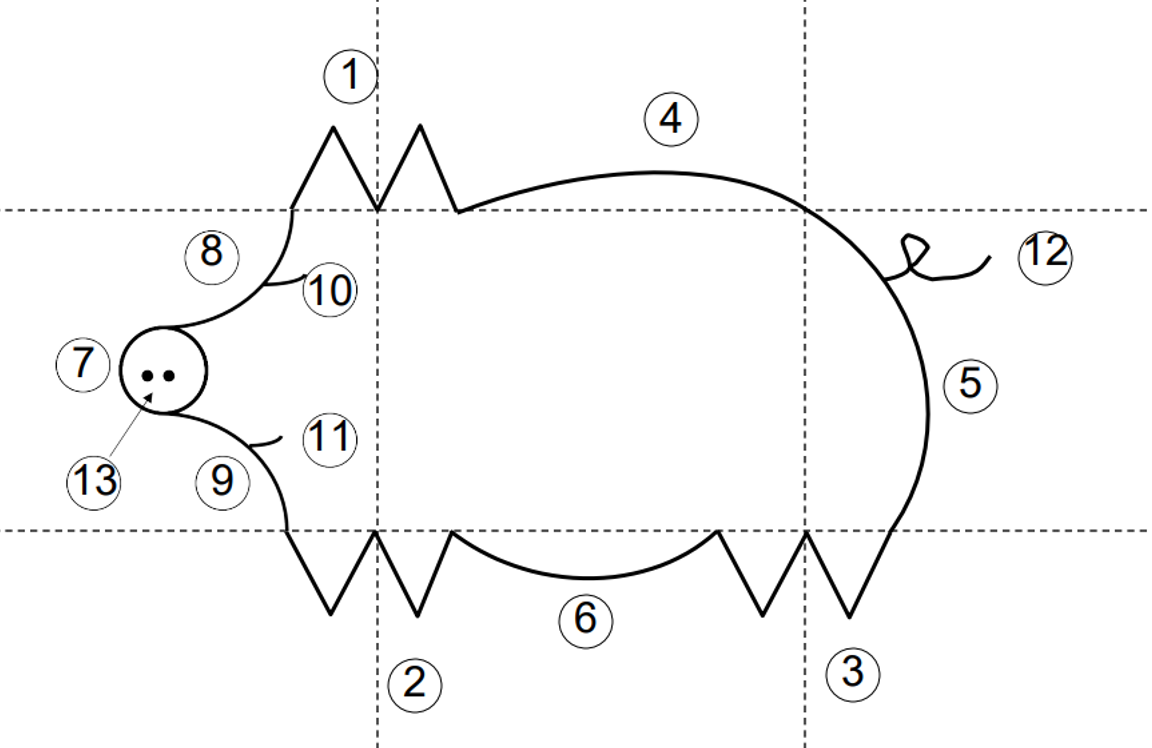
The Standard Work Exercise, widely known as the Standard Pig Exercise, is a deceptively simple activity that makes the case for clear operational definitions in minutes. Participants are given vague instructions to draw a pig, then compare their wildly different results with each other. The exercise repeats with precise, standardized instructions. This time, the pigs look nearly identical.
The contrast is immediate and memorable. It illustrates why standard work matters, why "everyone knows how to do it" is not a process control strategy, and how variation creeps into any task without clear, shared documentation. No materials budget required. Just paper and pens.
To explore standard work as part of a larger workflow, InBox challenges teams to improve an office process using standard work, visual management, line balancing, WIP controls, and other Lean methods.
Concepts Covered:
- Standard Work
- Operational Definitions
- Process Variation
- Work Instructions
- Communication Gaps
- Consistency in Process Execution


- Best For:
- Any audience; especially effective with frontline employees and leadership teams unfamiliar with standard-work concepts
- Run Time:
- 20-30 minutes
- Participants:
- 3+ participants
Card Drop Exercise
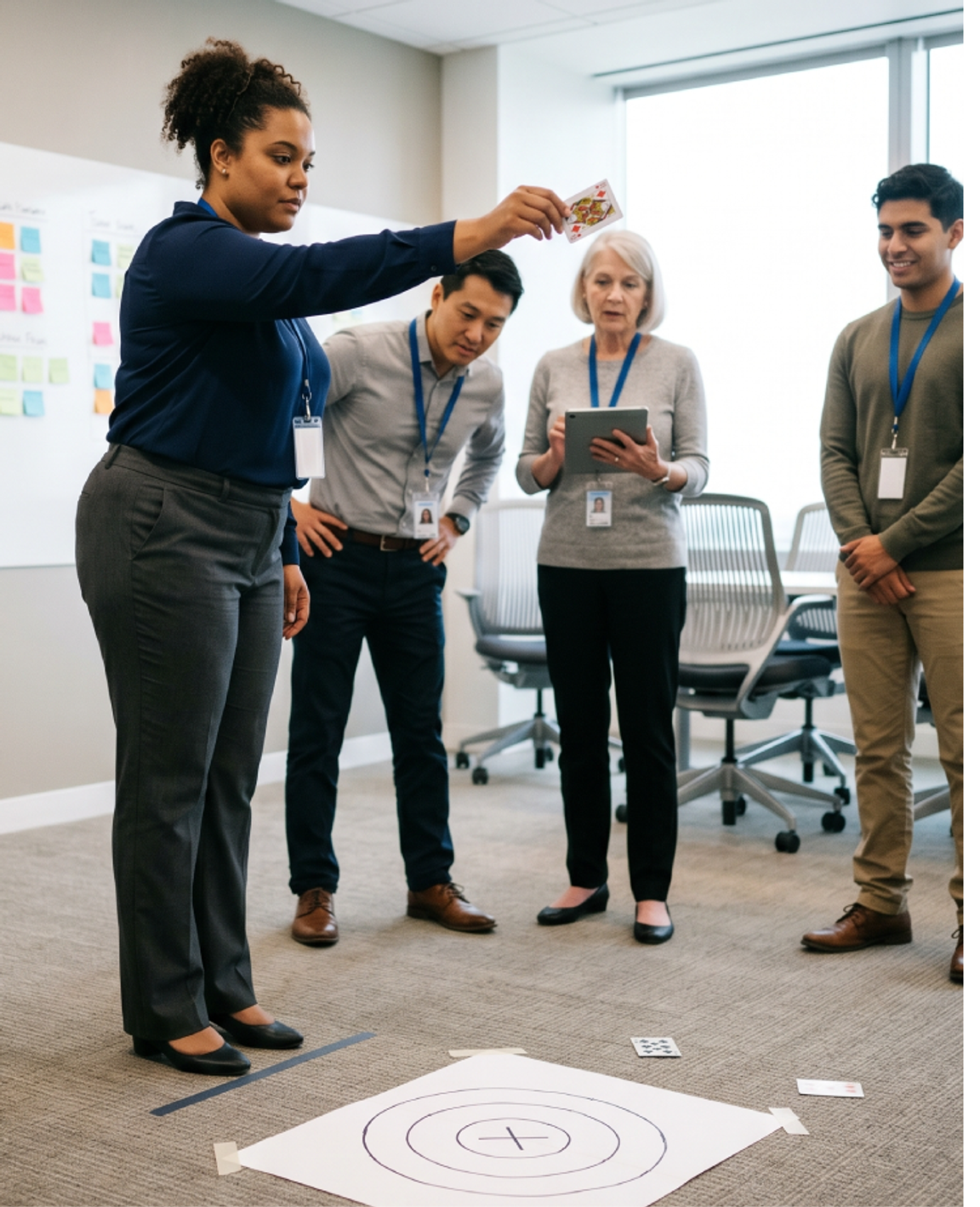
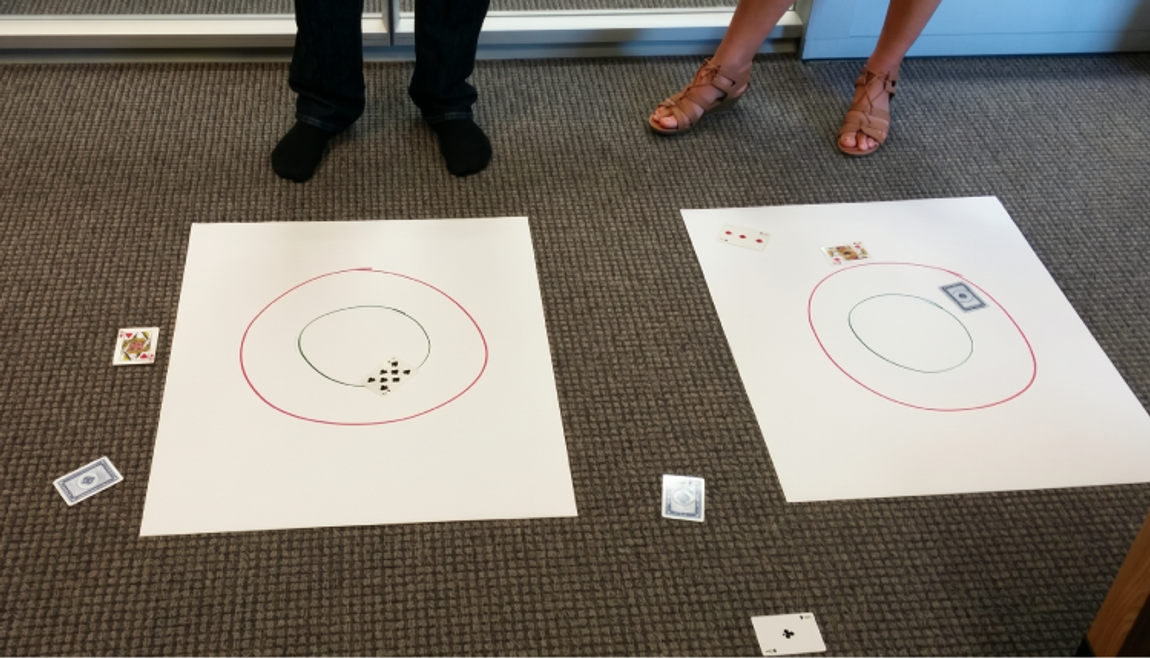
The Card Drop Exercise is a quick, memorable lean six sigma exercise that demonstrates what happens when people react to every data point in a stable process. Participants drop playing cards onto a target on the floor, then instinctively re-aim after each flutter, making their overall performance worse, not better. That instinct to adjust is called tampering, and it's one of the most common and costly mistakes in process management.
This exercise is MoreSteam's own design and remains one of the most effective ways to introduce common cause vs. special cause variation to a non-statistical audience. It requires no software, no stats background, and no materials budget beyond a deck of cards. Just cards, a target, and the moment participants realize they have been making things worse.
Concepts Covered:
- Common Cause vs. Special Cause Variation
- Tampering and Over-Adjustment
- Process Stability
- Process Capability
- Statistical Thinking
- Rolled Throughput Yield
- Best For:
- Any audience; excellent for manufacturing, service, and healthcare environments
- Run Time:
- 15–20 min
- Participants:
- Any-size group

Ready for a More Immersive Simulation?
These free Lean games and Six Sigma activities are ideal for introducing or reinforcing individual concepts. When learners are ready to put multiple tools together, MoreSteam's training simulations give them realistic process problems to investigate, from fast-paced Lean workflow games to complete DMAIC project experiences. Teams analyze information, make decisions, and build confidence applying their skills before taking them into real projects.