Blog
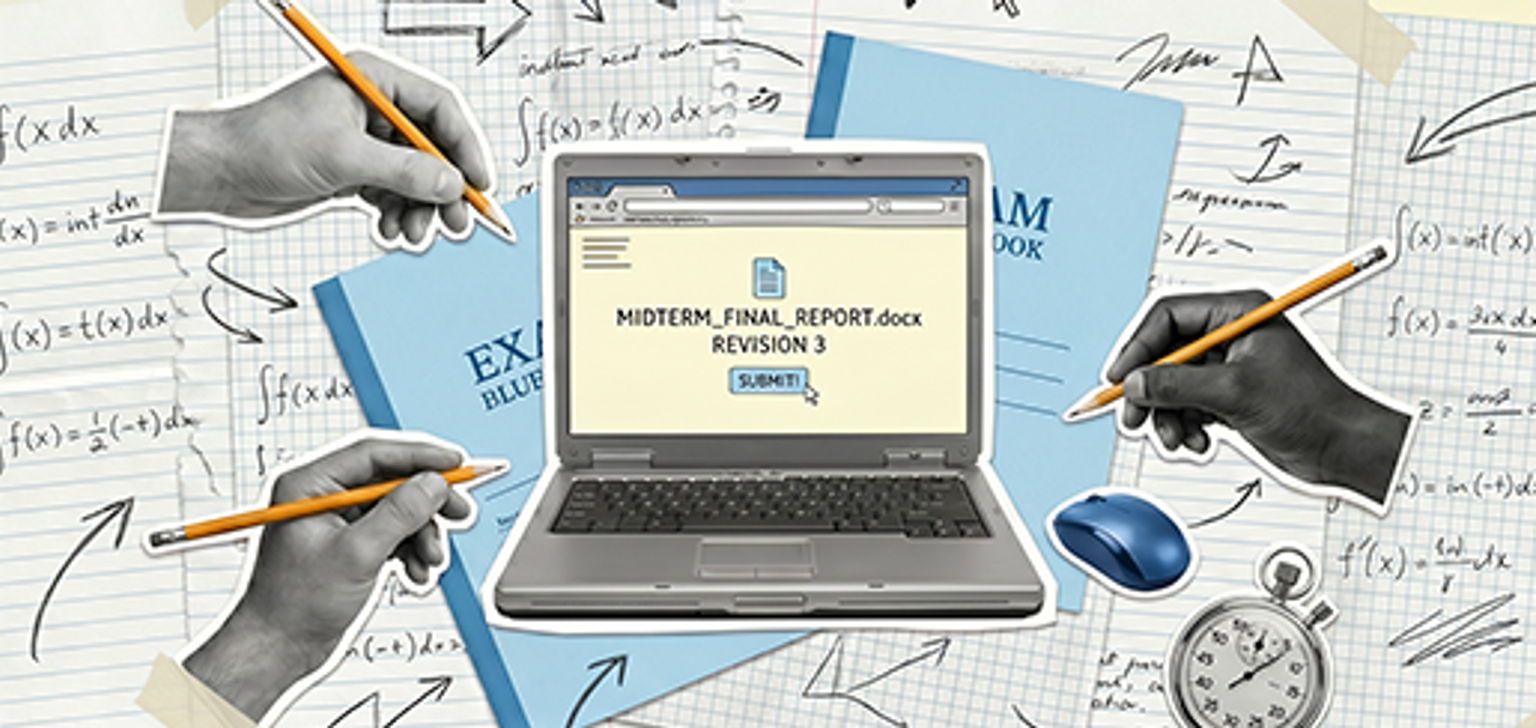
The Blue Book Test for Lean Six Sigma Certification
Universities are returning to blue books. Lean Six Sigma certification should follow the same principle: prove mastery through project work.
Bill Hathaway
Vibe Coding and the Loss of Gemba in Software
Is "vibe coding" hurting your codebase? Explore how AI-driven development risks losing the "gemba" the deep system understanding essential for Lean improvement.
Xander Hathaway
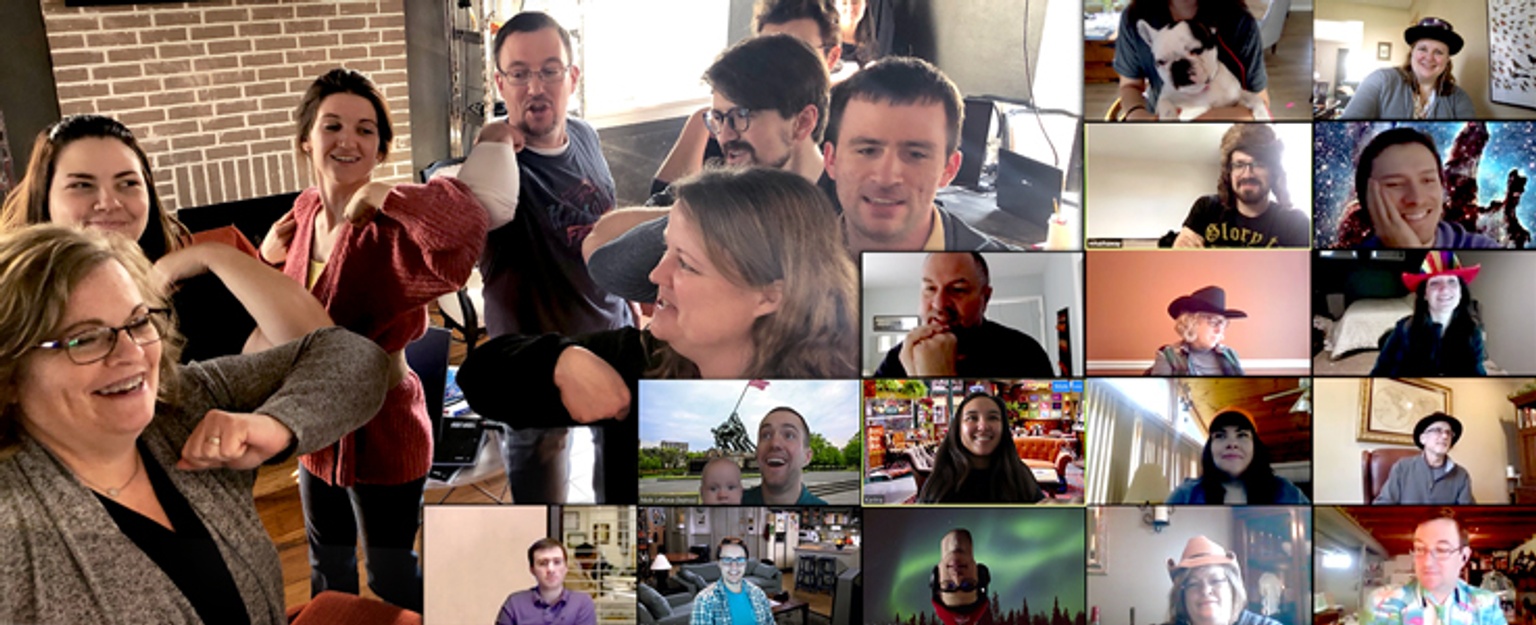
Beyond the Daily Grind: How a 3-Day Hackathon Builds a Smarter Team
What happens when a development team steps away from deadlines and experiments for three days? Inside MoreSteam’s annual hackathon and how curiosity, small experiments, and AI exploration help us build smarter systems.
Jennifer Adams
Why Simulation is the Missing Ingredient in A3 Training
A3 training often focuses on forms and terminology, but real learning happens through practice. See how a manufacturing simulation helped teams sharpen their problem solving, data storytelling, and observation at the gemba.
Peg Pennington
Are You Leading Reactively? How Leader Standard Work Creates Consistent Leadership
What is Leader Standard Work and why does it matter? Learn how daily, weekly, and strategic leadership routines reduce firefighting, align strategy, and strengthen continuous improvement.
MoreSteam
What Is PDCA? The Plan-Do-Check-Act Cycle Explained
PDCA is a simple but powerful improvement cycle focused on learning through experimentation. This guide explains the PDCA meaning, its roots in Deming’s work, and how it fits alongside Lean Six Sigma and DMAIC.
Using AI to Strengthen Critical Thinking for Continuous Improvement Work
Inspired by a personal “AI year in review,” this article explores how continuous improvement teams can use AI as a thinking partner, strengthening problem framing, coaching behaviors, and judgment rather than outsourcing the work of thinking itself.
Lindsay Van Dyne
The House of Lean Reimagined
What if Lean wasn’t a house at all, but a living, learning, improving organism? Explore a bold new metaphor, the Lean Animal, that reframes operational excellence as dynamic, fast, adaptive, and built to grow.
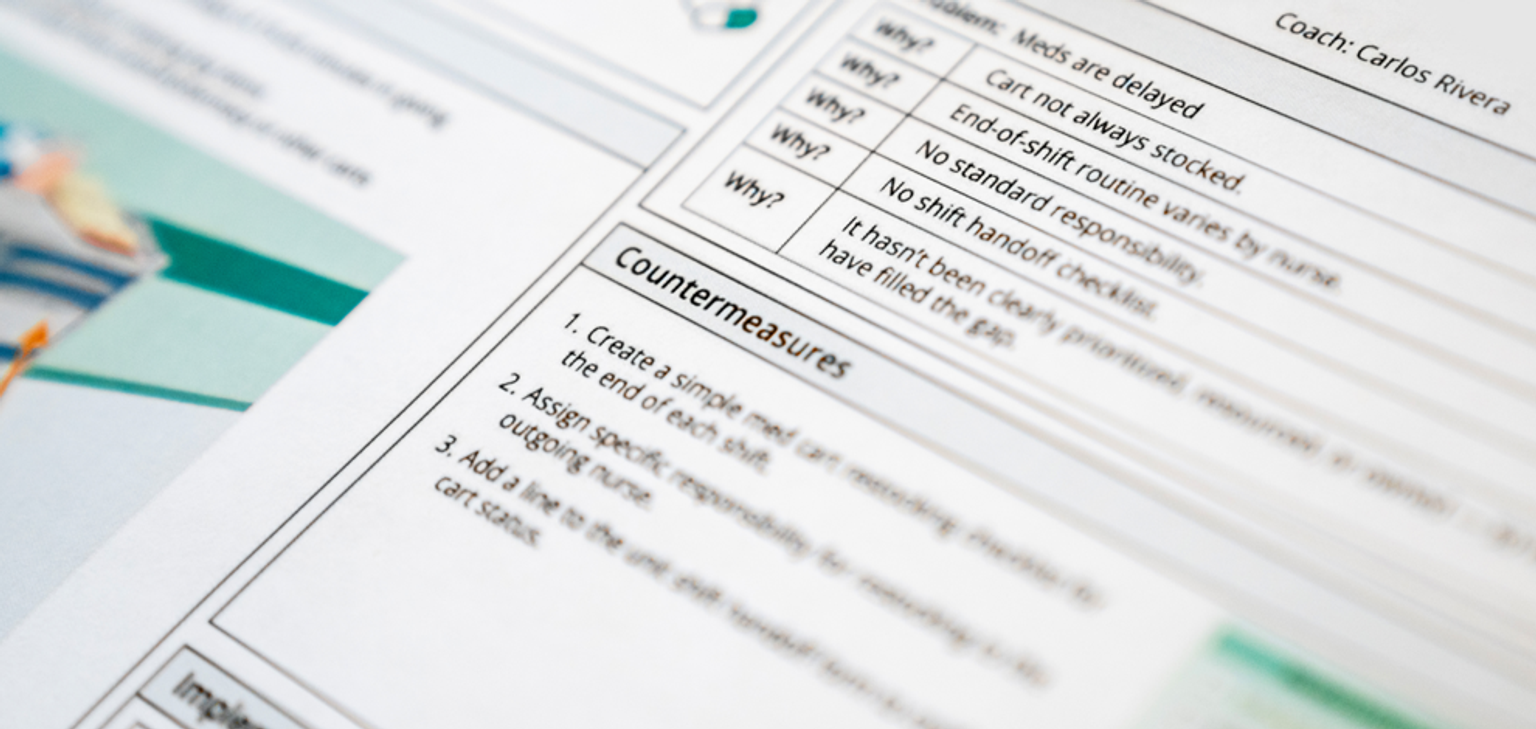
What Is A3 Problem Solving? A Step-by-Step Guide
Cut the noise and fix problems faster. A3 turns scattered conversations into a clear, one-page story from background to results. Learn the steps, avoid common mistakes, and see how A3 complements DMAIC for everyday improvement.
MoreSteam and ASQ Strengthen Partnership to Promote EngineRoom®
We are excited to announce EngineRoom® Data Analysis Software is available for purchase directly from the American Society for Quality (ASQ), the world’s largest network of quality professionals.
Why Every Continuous Improvement Practitioner Should Understand Monte Carlo Simulation
See how practitioners in healthcare, manufacturing, and software use Monte Carlo simulation to reveal risks, compare options, and guide smarter decisions that build trust and results.
8 Fresh Ideas to Kickstart Your Fall Process Improvements
Reignite your fall process improvements with 8 fresh ideas to boost momentum, align teams, and make continuous improvement stick.
Creating a Common Language for Continuous Improvement
Jargon in continuous improvement can divide teams instead of uniting them. Learn how using plain language creates shared understanding and drives improvement across industries.
Essential Data Analysis Software for Operational Excellence Teams
EngineRoom is the only data analysis software built specifically for continuous improvement, Lean Six Sigma, and Operational Excellence teams. It is an all-in-one toolbox designed by CI professionals to support the way real improvement work gets done. Cost effective, easy to use, and focused on what teams truly need.
Descriptive Statistics Don't Tell the Whole Story
Statistics alone can be misleading. From Anscombe’s Quartet to the Datasaurus, learn why Lean Six Sigma relies on visualization to reveal insights hidden behind averages. EngineRoom makes it simple to turn raw statistics into clear visuals that drive real improvement.
Don’t Settle for a Paper Belt: Why Real Projects Matter in Lean Six Sigma Certification
Looking for a Lean Six Sigma certification that actually prepares you for real-world success? Discover why real projects and real tools make all the difference.
A Review of "A Better DMAIC"
Gain a fresh perspective on process improvement with Donald Wheeler’s latest article. Learn how control charts, when used correctly, can guide every phase of a DMAIC project and how the Stability Index helps identify where improvement efforts will have the greatest impact.
A Better Way to Manage Your Lean Six Sigma Training Program
Discover a simpler, more effective way to manage your Lean Six Sigma program with the MoreSteam Admin. Use automated reminders, real-time reports, and built-in tools to gain visibility, support learner success, and manage training at scale with ease.
Alexi Bapst
6 Ways to Make Lean Six Sigma Coaching Easier & More Effective
Struggling to coach at scale? Discover 6 ways Coach View simplifies Lean Six Sigma coaching with data insights, dashboards, and real-time progress tracking.
Top 10 Lessons Learned From Process Improvement Leadership
Explore hard-earned lessons learned in process improvement leadership. From aligning culture to avoiding common pitfalls, these insights help drive real, sustainable change.
Lean Six Sigma Training for Real-World Capability
Effective training for adults focuses on relevance, experience, and application. By incorporating hands-on practice, real-world scenarios, and time for reflection, learners are more likely to retain concepts and transfer them to their work. Adults learn best when they understand why something matters and can immediately put it to use.
Mel Coyle
How to Use Six Sigma Simulations for Better Training Outcomes
Discover the most effective and overlooked tool in Lean Six Sigma training. Six Sigma Simulations build real capability, confidence, and real-world readiness.
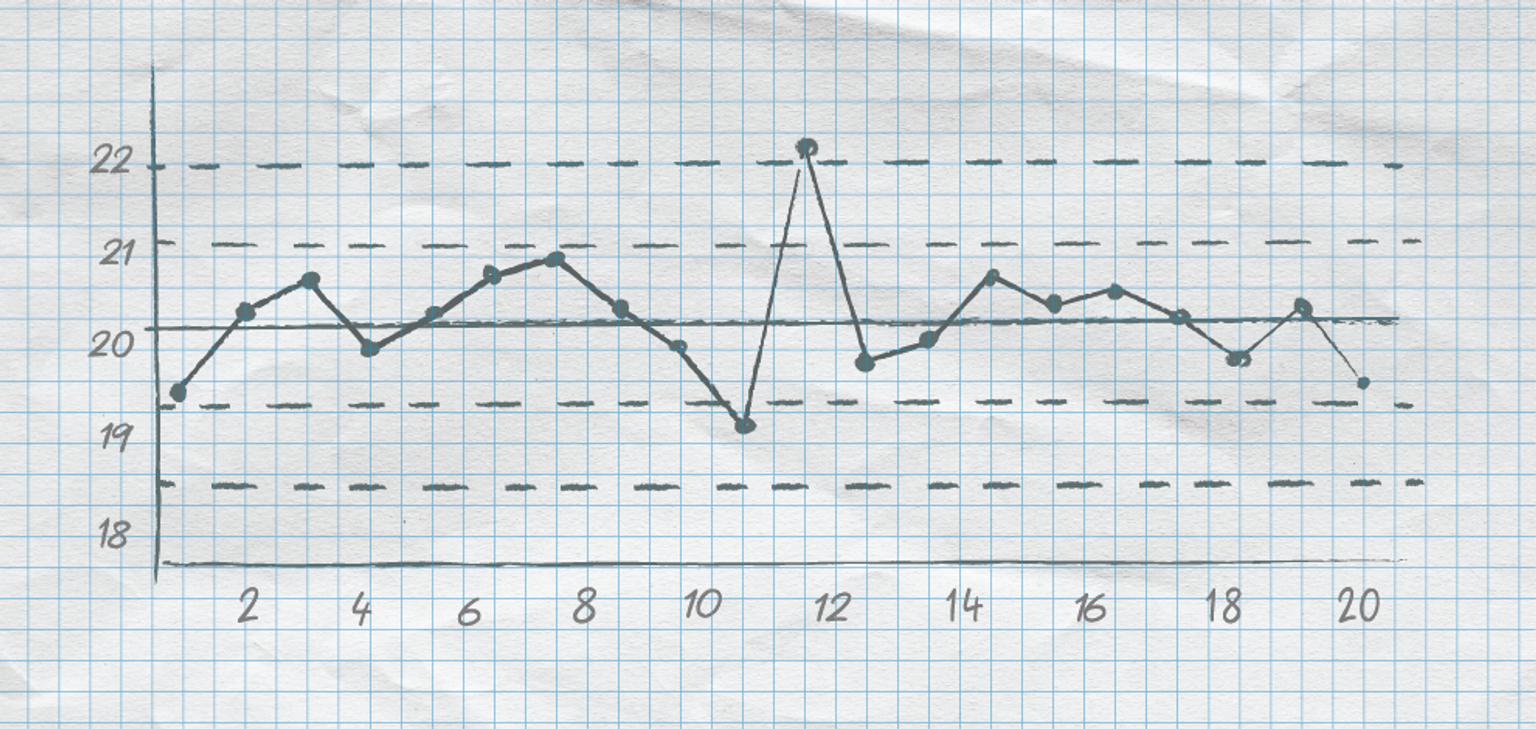
Control Charts: The Key Tool for Process Improvement
Learn why control charts are the most essential tool in Statistical Process Control (SPC). Discover how to apply them to drive process improvement across any industry.
Emily R. Dearring
5 Common Process Modeling Mistakes and How to Avoid Them
Process modeling is a powerful tool for continuous improvement—but only if it’s done right. Learn five common mistakes new modelers make and get practical tips to build models that reflect reality, support smarter decisions, and deliver meaningful results.
A Senior Engineer’s Clever Approach to Sampling Large Datasets
Analyze large datasets faster without losing key patterns. Learn how EngineRoom’s Samplifier simplifies big data analysis.
The Top 5 EngineRoom Features That Make Data Analysis Easy
EngineRoom doesn't overcomplicate data analysis. Discover 5 features that simplify process improvement work, saving time and improving decision-making.
3 Lean Six Sigma Success Stories: How Discrete Event Simulation Drives Process Transformation
Discover how Lean Six Sigma and discrete event simulation drive process transformation. Explore real-world success stories in healthcare, manufacturing, and fast-casual dining, showcasing the power of process modeling and MoreSteam’s Process Playground.
Lean Practices that Foster "Above the Line" Thinking
Discover how Lean leadership practices can foster a culture of accountability, psychological safety, and above-the-line thinking. Learn how presence, empowerment, and respect help teams take ownership and solve problems.
Best Process Modeling Tools of 2025
Compare the best process modeling tools and discover how Process Playground stands out with powerful features like discrete event simulation, as well as unmatched functionality, accessibility, and affordability.
TRACtion and EngineRoom for Lean Six Sigma Project Success
Transform your Lean Six Sigma workflow with TRACtion and EngineRoom. Learn how integrated project tracking and data analysis eliminate silos, boost productivity, and simplify reporting for better, faster results.
5 Common Project Management Challenges and How TRACtion Solves Them
Learn how TRACtion helps Lean Six Sigma and continuous improvement teams overcome five key project management challenges with purpose-built tools.
Best Project Tracking Software for Lean Six Sigma Practitioners
Looking for the best project tracking software for Lean Six Sigma? Learn how TRACtion supports KPIs, CI tools, and real-time data integration.
What is Discrete Event Simulation?
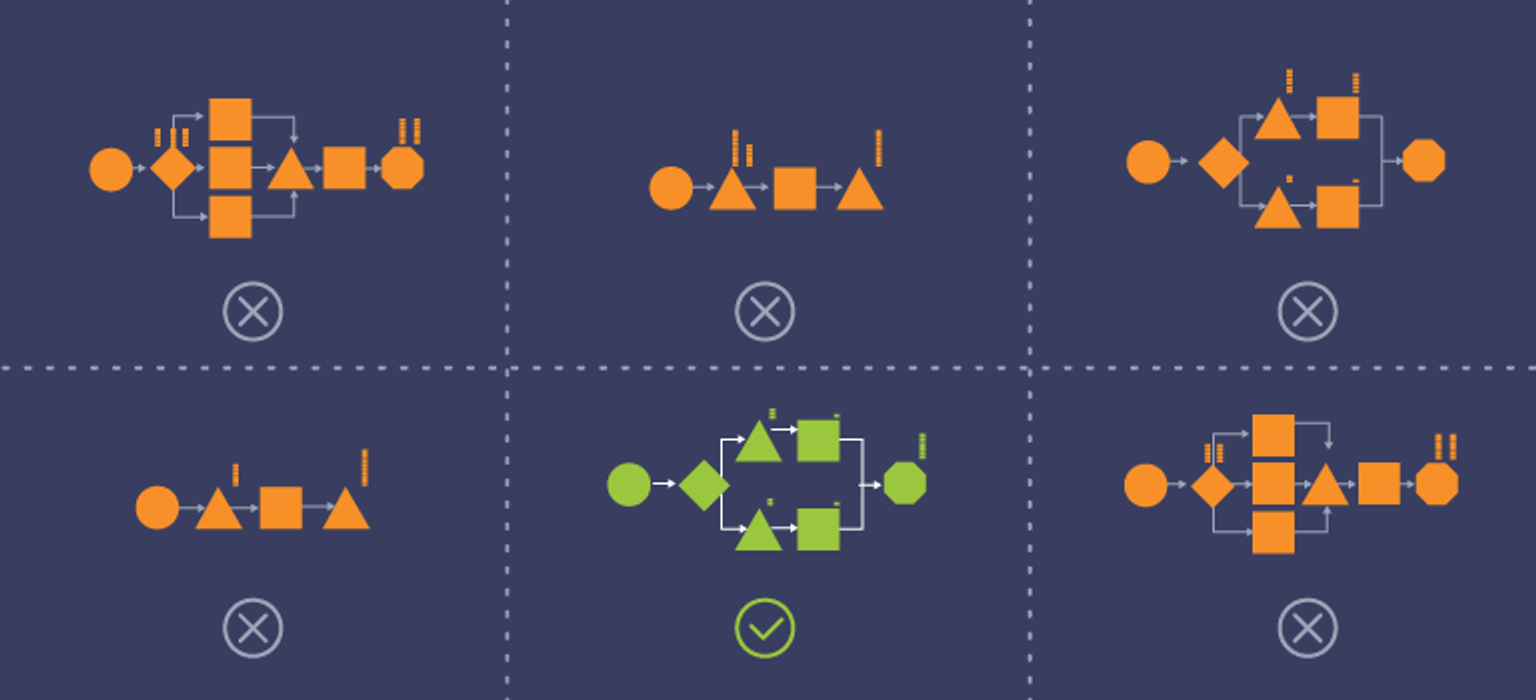
Discover how Discrete Event Simulation (DES) models processes, analyzes variability, and improves system performance across industries. Learn practical steps to build your own simulation model and explore real-world examples in healthcare, manufacturing, and service industries.
The Next Essential Tool for Root Cause Analysis
Root cause analysis is evolving. Learn how machine learning enhances traditional RCA tools to uncover hidden causes, predict failures, and drive proactive improvement.
MoreSteam Awarded Accreditation from the International Society of Six Sigma Professionals (ISSSP)
Driving Success with Award-Winning Data Analysis Software
EngineRoom was recognized by Gartner Digital Markets brands, including Capterra, Software Advice, and GetApp, as a leading data analysis software in 2024. Learn what sets EngineRoom apart, from advanced statistical tools to unmatched customer support, and explore the innovations driving its growing success.
10 Common Continuous Improvement Strategies
Explore 10 proven continuous improvement strategies that drive operational excellence and sustainable growth. Discover how industry leaders use methodologies like Six Sigma, Agile, and Kaizen to streamline operations, reduce waste, and boost quality. This blog provides insights into each strategy, helping you find the best fit for your organization's needs—no matter the industry.
Hoshin Kanri: Making Your Strategy Work Across Your Organization
Discover how Hoshin Kanri can transform your strategic vision into real-world results by aligning every level of your organization. Learn how leading companies like Toyota and Danaher leverage this powerful methodology to drive operational success and stay agile in a fast-paced business landscape.
Ken Robinette
MoreSteam and IISE Join Forces to Offer EngineRoom
MoreSteam® has teamed with the Institute of Industrial and Systems Engineers (IISE) to offer IISE members discounted access to the powerful EngineRoom® data-analysis software. This collaboration enhances professional development by providing advanced analytics tools designed for continuous improvement and quality enhancement across various industries.
Lean Leadership Habits That Drive Organizational Excellence
Toyota’s legendary production system transformed manufacturing, but what truly sets them apart isn’t just Lean tools—it’s the philosophy behind Lean leadership.
Lars Maaseidvaag
Embracing the Future: Why We Must Adopt AI Now
Learn why adopting AI today is vital for continuous improvement and staying competitive in an increasingly AI-driven world. Embrace change so you won't be left behind in tomorrow's technological evolution.
What is Lean Thinking?
Lean thinking is a methodology that focuses on creating value by eliminating waste and optimizing processes. But why is Lean thinking so important? And why should organizations adopt it into their practices in the first place?
Sustainability: It’s Not a Choice, But a Responsibility
By integrating Lean methods with sustainability, we can initiate change today towards a greener tomorrow, ensuring a safe future for generations to come.
Ally Siegrist
Lean Six Sigma Green Belt vs. Black: Defining the Difference
Learn about the different responsibilities, skills, and training requirements of a Lean Six Sigma Green Belt vs. Black Belt.
In Praise of Unglamorous Activities
Glamorous jobs steal the spotlight, but unglamorous work keeps the world running. Discover the vital role of process improvement in maintaining quality.
Selecting the Right Green Belt Training and Certification Program for You
What does it really mean to become a Green Belt? And how do you determine which Green Belt certification program is right for you?
Back to Kindergarten: Why Project-Based Learning Gets Results
From MIT physics courses to Lean Six Sigma blended learning classrooms, interactive project-based learning gets results.
Selecting the Right Black Belt Training and Certification Program for You
What does it really mean to become a Black Belt? And how do you determine which Black Belt certification program is right for you?
Keeping Up: Pacing Teaching Methods with Technology
How the ‘soft stuff’ in education, like student participation and student-teacher relationships, can keep pace with rapidly developing educational technology.
Kathy Miller
What is Design for Six Sigma?
Design for Six Sigma is a methodology focusing on developing new products and processes that are robust, reliable, and capable of consistently delivering high-quality results.
Characteristics of a Well-Designed Experiment
Learn about the elements that make up a successful implementation of a designed experiment.
Smita Skrivanek
How AI Chatbots are Changing the Future of Professional Learning
This blog explores the realm of adult learning and how we can use Generative AI and Large Language Models to supplement learning and foster innovation.
Exploring the Potential of AI in Process Improvement
A think-piece from Bill Hathaway about the explosion of AI's popularity and where AI can be integrated into the world of process improvement.
Lies, Damned Lies, and...Checklists
Continuous improvement should be a process of discovery. Tools like checklists and roadmaps should support and guide, but not overshadow, critical thinking.
An Unobstructed View of Customer Requirements
MoreSteam Founder and CEO Bill Hathaway gives his two cents on the formula for good design: empathy and a profound knowledge of the customer.
What is Lean Six Sigma?
Learn how this powerful methodology combines efficiency (Lean) with quality improvement (Six Sigma) to streamline processes and drive excellence in any industry.
Modeling OEE: How Process Simulation Reveals Real-World Variation
Calculating OEE is straightforward when processes are simple and predictable. But real processes rarely behave that way. This article explores how discrete event simulation can model variation, downtime, and product complexity to better understand true process performance.
Hoshin Kanri: At a Glance
Hoshin Planning, or Hoshin Kanri, is a comprehensive planning method that aims to align strategic goals and initiatives across all levels of an organization.
How to Have Your Cake (and Eat it Too)
Optimizing for two response variables in multiple regression involves a process of finding the best combination of predictor variables to predict and enhance the two responses simultaneously.
What is Overall Equipment Effectiveness (OEE) and Why Does it Matter?
OEE, or Overall Equipment Effectiveness, is a classic performance metric used to score the overall efficiency of a process. It is good and necessary, but it’s not sufficient by itself.
An Introduction to CAPA
CAPA is a popular quality management approach that organizations use to identify, investigate, and address the root causes of defects, or failures in their processes or products.
Lean Thinking: The Most Important Leadership Skill
Alan Goodman partnered with MoreSteam to create the first-ever lean summer camp for middle and high school students.
Moving Lean Simulations to a Virtual Setting
How did we plan on moving our Lean simulations, intended to be taught in person, to a virtual setting?
Reflections on How Far Process Modeling Has Come
Process modeling is more important than ever because it allows us to perfect our operations without wasting resources in this rapidly-changing time.
Problem-Solving Roadmaps: Definitions, Examinations, and Common Myths Explained
Problem-solving roadmaps add value to your continuous improvement projects and can act as a thought exercise and a results-driven mechanism for process improvement projects.
Using Visual Management to Improve My Workouts
Visual Management, one of the four elements that make up the Lean Management System, is critical to help recognize trends, spot problems, and set targets to continuously improve.
Making the Case for Organized Process Improvement
If organizations want a competitive edge, process improvement cannot be optional. Learn how Lean Six Sigma combines leadership support, trained problem-solvers, data-driven methods, and frameworks like DMAIC to close performance gaps, eliminate waste, and deliver measurable ROI.
Should I Become a Master Black Belt?
Discover the path to becoming a Lean Six Sigma Master Black Belt, the highest level of Operational Excellence. Master Black Belts lead strategic initiatives, mentor teams, and drive cultural change to achieve lasting organizational success.
What is the DMAIC Methodology?
Whether you’re quite familiar with the DMAIC methodology, or have only recently heard that acronym, let’s break down what it is and the best time to use it in practice.
Applying Lean to Six Sigma Training
Lean encourages you to only use tools that are necessary to solve a problem. But many practitioners forget that concept when blending Lean and Six Sigma together.
Kevin Keller
What Would You Do for 15 More Points of IQ?
Multitasking in the workplace has proven to slow down productivity. But the labor shortage is leaving employees with no choice. Can we use lean methods like SMED to help mitigate this issue?
Global Supply Chain Disruptions - The Revenge of Variation
Understanding why the global supply chain is experiencing so much turmoil is critical to structuring your business' response.
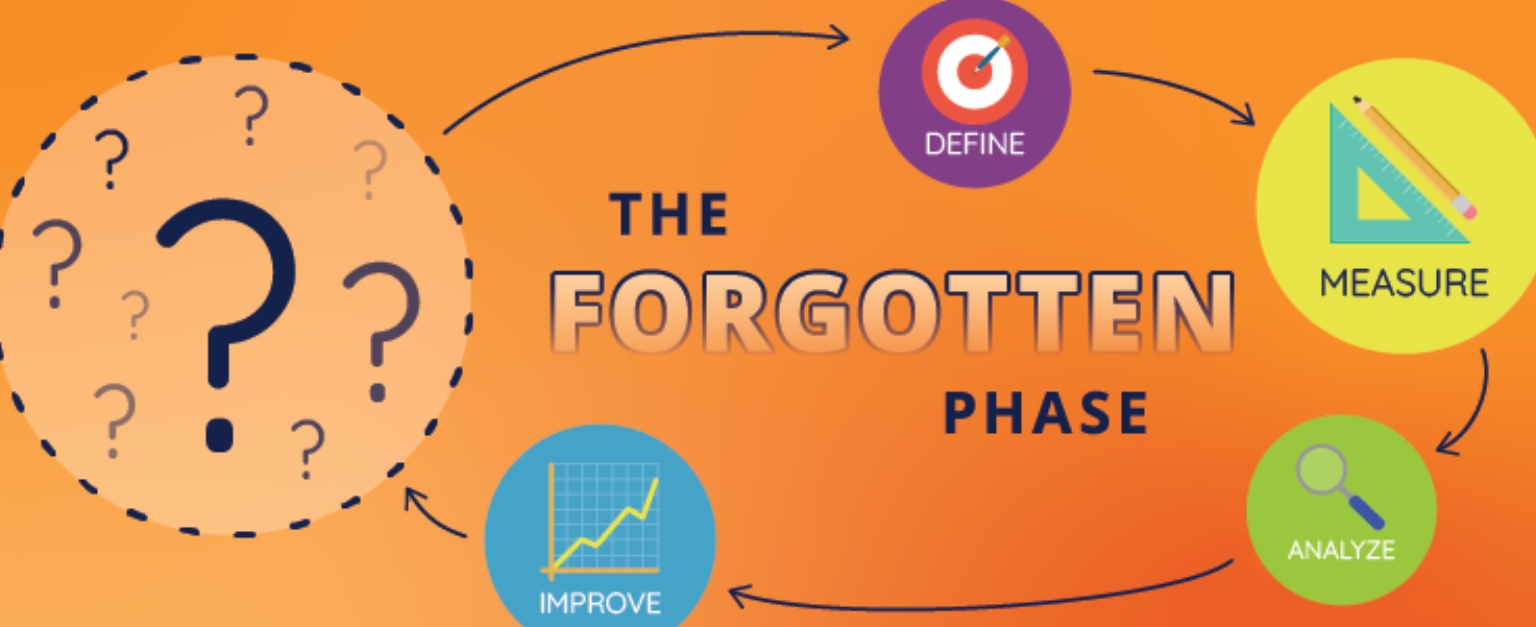
Why the Most Critical Phase is Often the Most Overlooked
What is the Control Phase? Why is it important? Learn this and the 5Cs that make up a successful Control Phase in the DMAIC process.
The Great Retirement & The Five Lean Principles
MoreSteam discusses why lean methods are more important than ever when key inputs like labor are constrained because eliminating waste frees up capacity.
Lean Six Sigma Belt Levels Explained
What are the Lean Six Sigma Belt levels? Discover what each belt level means and how they contribute to achieving Operational Excellence.
Sustainable Training Routines for Operational Excellence
Understand the science behind routines and design management systems to drive process improvement across your organization.
The Possibilities of Process Modeling in Automotive
Tesla and GM are slashing years out of the product development process by discarding old practices and using virtual models to test and validate changes.
4 Keys to Making Your Virtual Study Halls a Success
Three experienced Master Black Belt coaches discuss the keys to leading successful study halls in a virtual environment.
Making recertification work for, not against, your organization
Recertification requirements for Green Belts, Black Belts, and Master Black Belts should balance project work with actively supporting the organization's continuous improvement culture.
EngineRoom Software Validation: Calculate with Confidence
A software validation kit to make it simple for you or your IT department to run a validation test on EngineRoom.
Getting Lean Six Sigma Projects Done after Certification
Lean and Six Sigma training is only as valuable as the projects that employees complete.
Lean Six Sigma training to build capability
How to ensure your Lean Six Sigma training is nutritious enough to actually build capability and not just box-check.
"Return to Work" and pandemic lessons learned
MoreSteam President Peg Pennington shares her team's approach to navigating a post-pandemic return to the workplace.
Teaching the next generation of Lean Six Sigma problem-solvers
Alan Goodman uses his experience as a certified Black Belt to teach students the value and benefit of Lean Six Sigma principles.
Retirement leads to life-changing adventure
Lean Six Sigma consultant on the MoreSteam Client Services Team isn't slowing down after a productive career.
Culture Can Never Be Compromised
Discover ways to creating a healthy work culture. Learn how MoreSteam is keeping team culture at the forefront even in the midst of a pandemic.
Finding innovation during a pandemic
Even while a pandemic has us socially distanced, leaders can take specific steps to encourage fresh, new ideas.
Why students prefer the Blended Learning model
Recent technological advancements have enhanced the traditional classroom experience. Hear students share what they like most about the blended model.
Teaching Students the Basics of Lean Management
Milwaukee Area Technical College uses MoreSteam's interactive games and simulations to educate students during summer camp.
Five keys to coaching Lean virtually
Amita Sherwood, a Lean Six Sigma Master Black Belt and member of MoreSteam's Client Services team, shares her top tips for virtual coaching.
Developing solutions & team camaraderie at the same time
In the spirit of Lean management and continuous improvement, learn how our developers worked together to help our company become more efficient.
Engaged Workforce Leads to Reduced Wait Times
The Lean-based Arizona Management System empowers employees to be part of the solution, leading to big changes at the Motor Vehicle Division.
Jack Welch: Final Thoughts
Jack Welch, former GE CEO, was famous for his laser focus on eliminating waste and searching for better ideas. What other lessons did "Neutron Jack" leave us?
900 Project Charters and Counting
MoreSteam's Maria Fry discusses current trends in the project work she sees from Lean Six Sigma Black Belt and Green Belt certification candidates.
Maria Fry
Schedule Time for Deep Work
Apply Cal Newport's concept of deep work to the operational excellence framework: balance time spent in the business with time spent on the business.
Pull, Don't Push, Your Way to a Continuous Improvement Culture
Learn about 'CI the Southwest Way,' a structured continuous improvement approach that still fuels the SWA warrior spirit and fun-loving attitude.
Is Continuous Improvement in our DNA?
Consider the evolution of continuous improvement from Frederick Taylor to W. Edwards Deming to today's data analytics software of Lean Six Sigma.
It's Not Brain Surgery
Training problem solvers takes more than a few instructional videos - it requires in-depth training that offers robust practice.
Building Resiliency into our Products, Processes, and Systems
Following tragic disasters, organizations quickly develop expertise in analyzing risk and implementing resiliency strategies. Learn how process simulation can help.
KonMari: 5S Goes Mainstream
What do Marie Kondo and Lean Six Sigma have in common? Discover how 5S and KonMari methods overlap and where they diverge.
Data-Driven Coaching to Develop Problem Solvers
Metrics matter. MoreSteam has developed dashboards that offer both students and coaches a variety of progress metrics to facilitate better learning and instruction.
Building a Strategy for Problem Solving
Major takeaways from Habitat for Humanity's data driven mission to change housing.
Ellen Milnes
How an Uber Driver Error-Proofs Frequent Travelers
An Uber driver takes the initiative to create his own standard work to error-proof the experience of his customers.
Complex Solutions May be the Leanest Ones
When Lean methods lack a broader process perspective, continuous improvement practitioners shouldn't shy away from blending Lean and Six Sigma methods.
A Few Words of Timeless Advice
The power of shutting up and really listening to the voice of the customer.
Gabe Turk
Better Methods to Learn Better Methods
Blended learning works better, drawing picture is good, and other tips to learn more, faster.
Beyond Chicken-fried Chicken
At Celebration Restaurant in Dallas, Texas, a commitment to team, flawless service, and taking ownership for outstanding customer service is proudly on display.
Fertilizing the Grass Roots
A culture of process improvement at the State of Arizona demonstrates how valuable Lean Six Sigma can be when brought to bear on government processes.
A3 Thinking and Non-Thinking
When it comes to continuous improvement tools like the A3, function is more relevant than form.
Coaching Apprentice Process Improvement Leaders
Football and Lean Six Sigma: How to Coach Apprentice Process Improvement Leaders.
From Aspirations to Achievements
Organizations with successful process improvement initiatives are united in their pragmatism, perseverance, and fusion of Lean and Six Sigma methods.
Leadership on the Sidewalk
Some time ago I attended a Lean Six Sigma conference in Florida, where many of the presentations were about the importance of senior management commitment (the subject of at least 30% of all six sigma conference presentations, or so it seems).
Closing the Gaps
A roadmap for selecting a process improvement project that considers strategic imperatives, performance metrics, and other relevant factors.
The Next Big Thing
Thoughtful analysis of small data, paired with a results-focused methodology (DMAIC), can yield greater success than clumsy attempts to analyze big data.
Some Help is No Help at All
Visual aids should be visual, error-proofing should reduce errors, and other underrated, underutilized ideas
Leaning, But Not Running, Toward Six Sigma
A case study in the pitfalls of processes that are Lean, but not Six Sigma.